Services.

We carry out feasibility, existing-conditions, verification, change and readiness studies on your plant as it is built.

Engineering services.

We offer seven services, each named after the stage of your project it serves. Each is a fixed deliverable, and we agree its scope with you before we start.

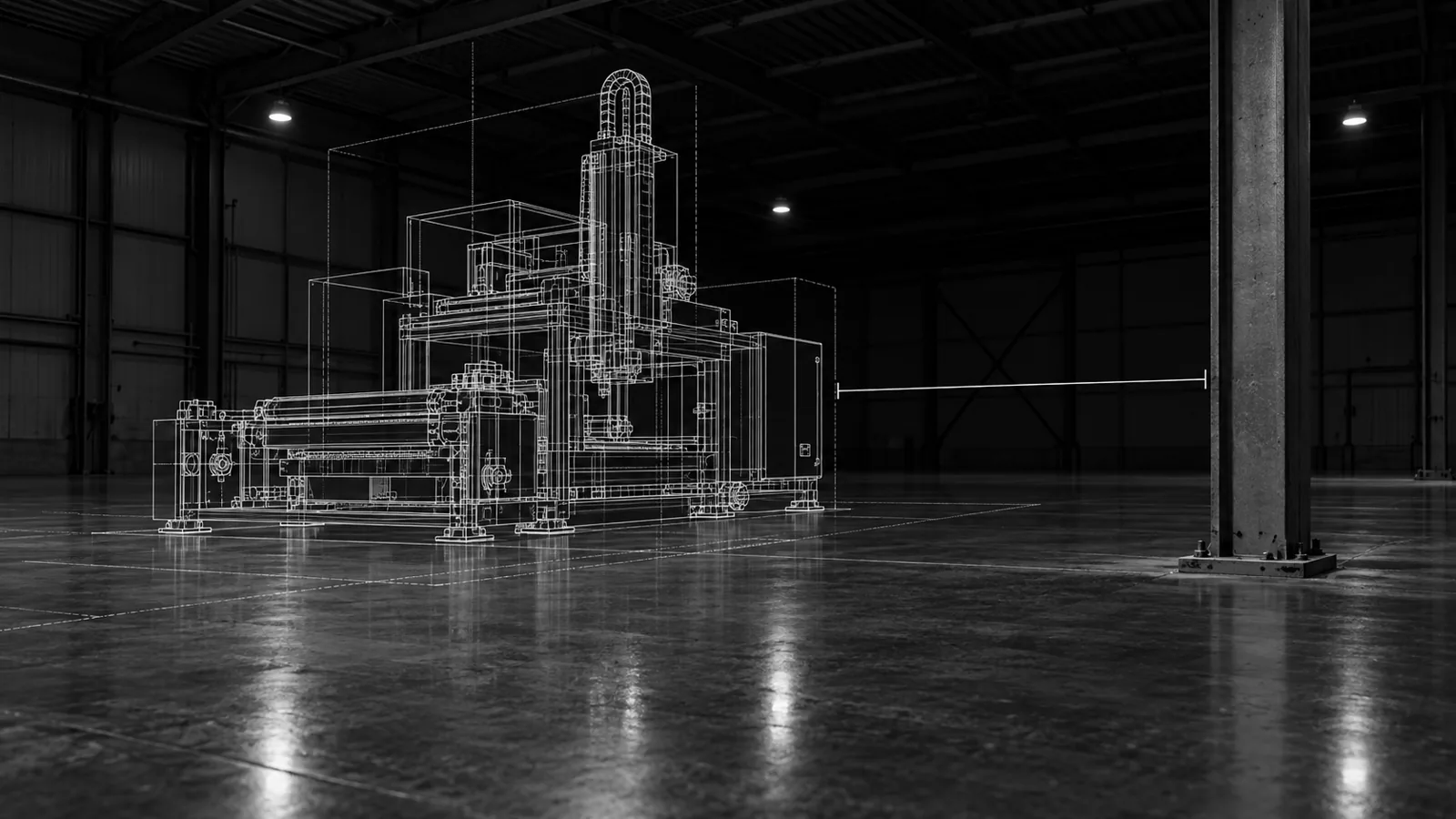
An empty factory bay with a future machine drawn in white CAD lines where it would stand

01 Front end

Change and installation feasibility

You have a new line or a piece of equipment in mind and need to know whether it fits the plant before design starts.

What you receive

  • A verdict, with the evidence behind it
  • The constraints and discrepancies we found on site
  • A preliminary layout with its utility and access needs
  • An outline of the validation and EHS impact
  • At FEL-2, a scope package and a class-4 estimate

Your site's engineer of record signs the verdict.
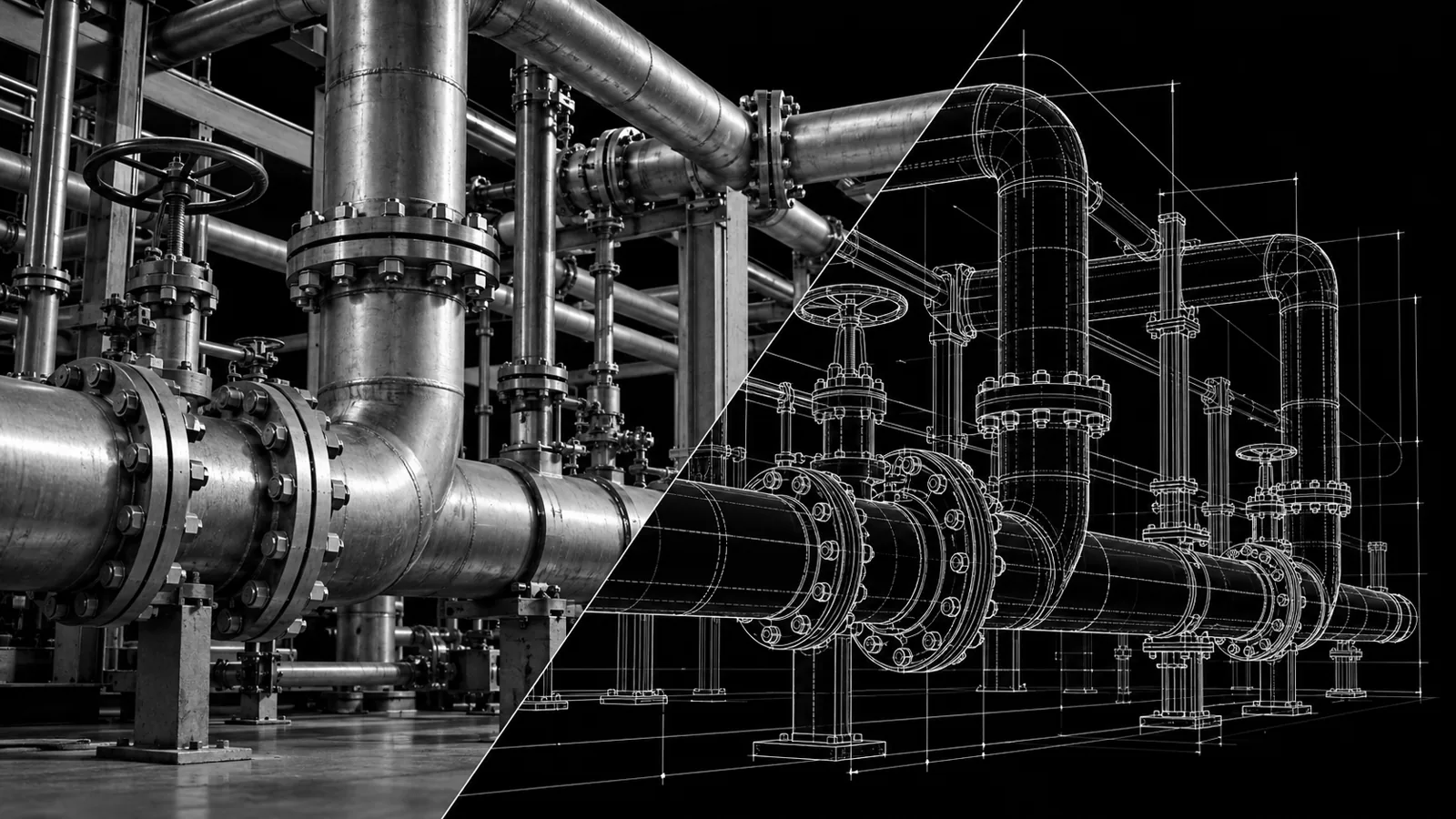
Plant room pipework, half photographed and half continued as a line drawing across a diagonal cut

02 Before tender

Existing-conditions baseline

Your brownfield project is going to design and tender, and the drawings no longer match the site.

What you receive

  • The verified existing conditions of the area
  • A discrepancy register
  • The site model in an open, exportable format
  • Boundary conditions your designers can calculate against

We issue it to your designers and bidders before the contract is awarded.

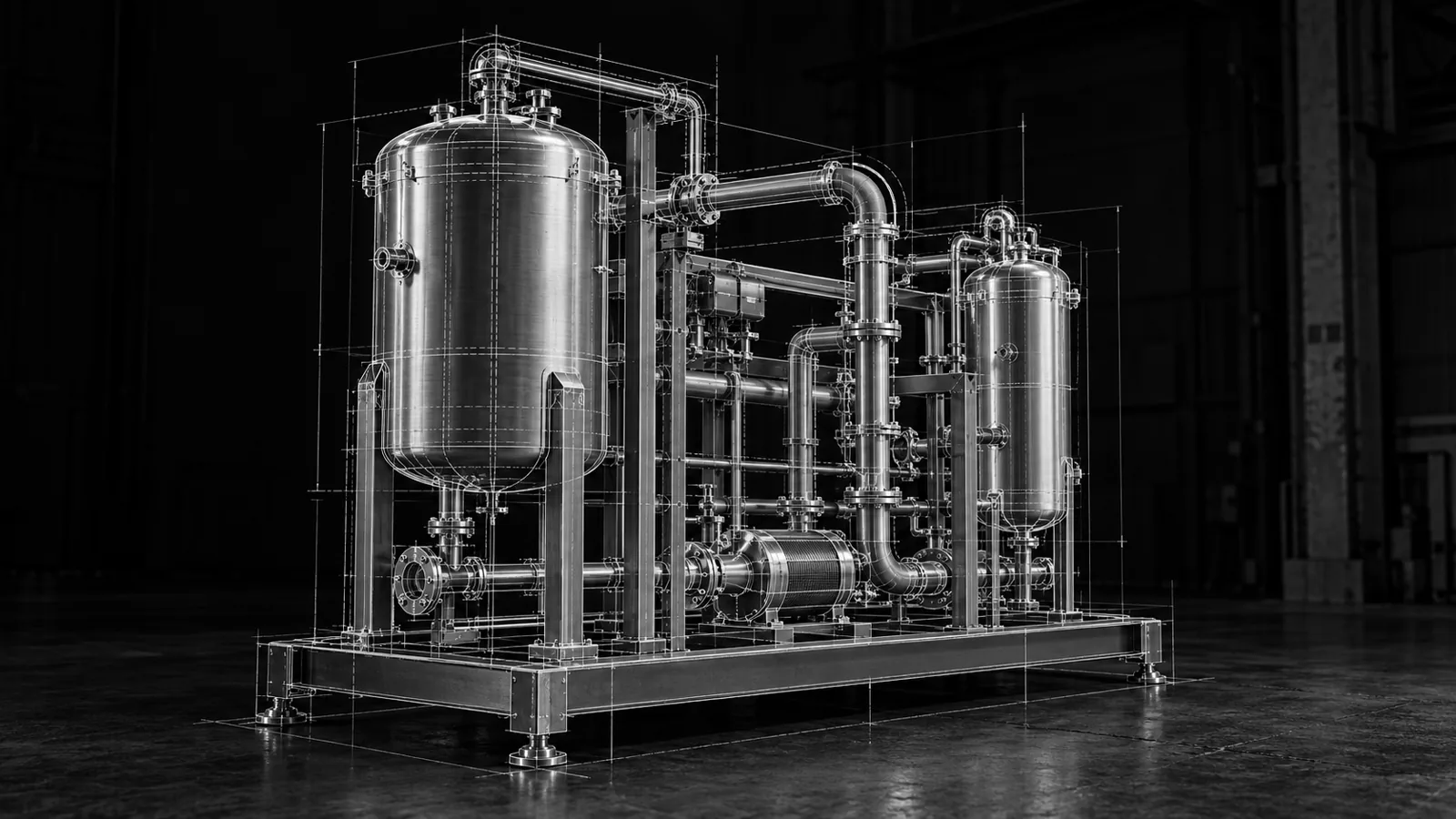
A stainless process skid with its CAD wireframe laid over it

03 Handover

As-built verification

A project is finishing and you are about to accept what was installed.

What you receive

  • What was documented compared with what we observed, item by item
  • A confidence grade on every item
  • The discrepancies the site would otherwise carry into operations

Your project engineer signs the handover.

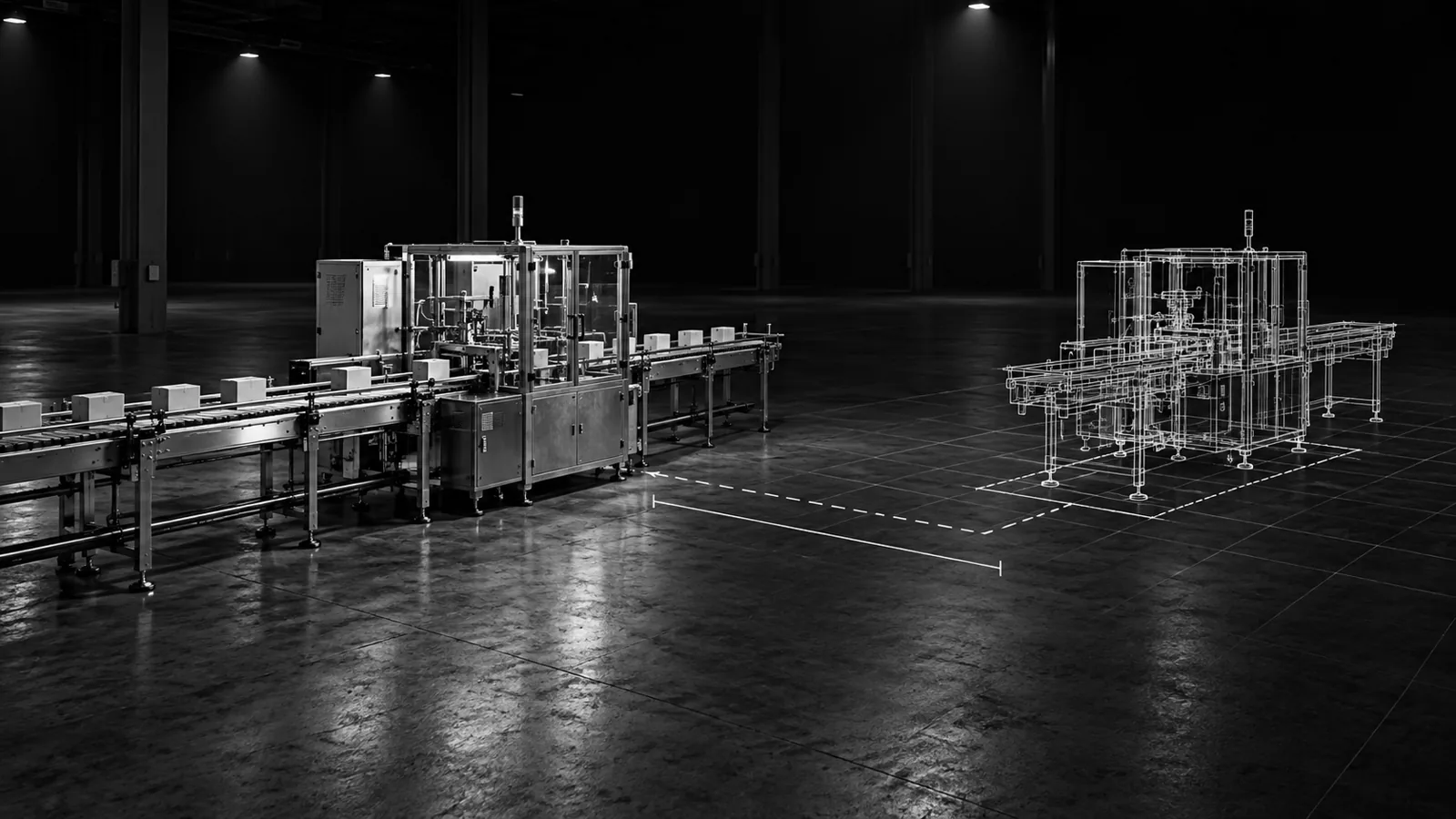
A packaging machine in place and its proposed new position drawn as a CAD outline along the floor

04 Change control

Change-impact assessment

You need to take a change through change control on a plant that keeps running.

What you receive

  • The change placed on the site model with its evidence
  • Conflicts in space, access, laydown and utility isolation
  • Drafted engineering, validation and EHS sections

Your project engineer approves the change.

05 Shutdown

Turnaround readiness

Your shutdown window is fixed and the scope has to be ready on the day.

What you receive

  • Every scope item checked against the site as built
  • Conflicts found while there is still time to fix them
  • A readiness view the planner works from

Your shutdown planner stays in charge of the window.

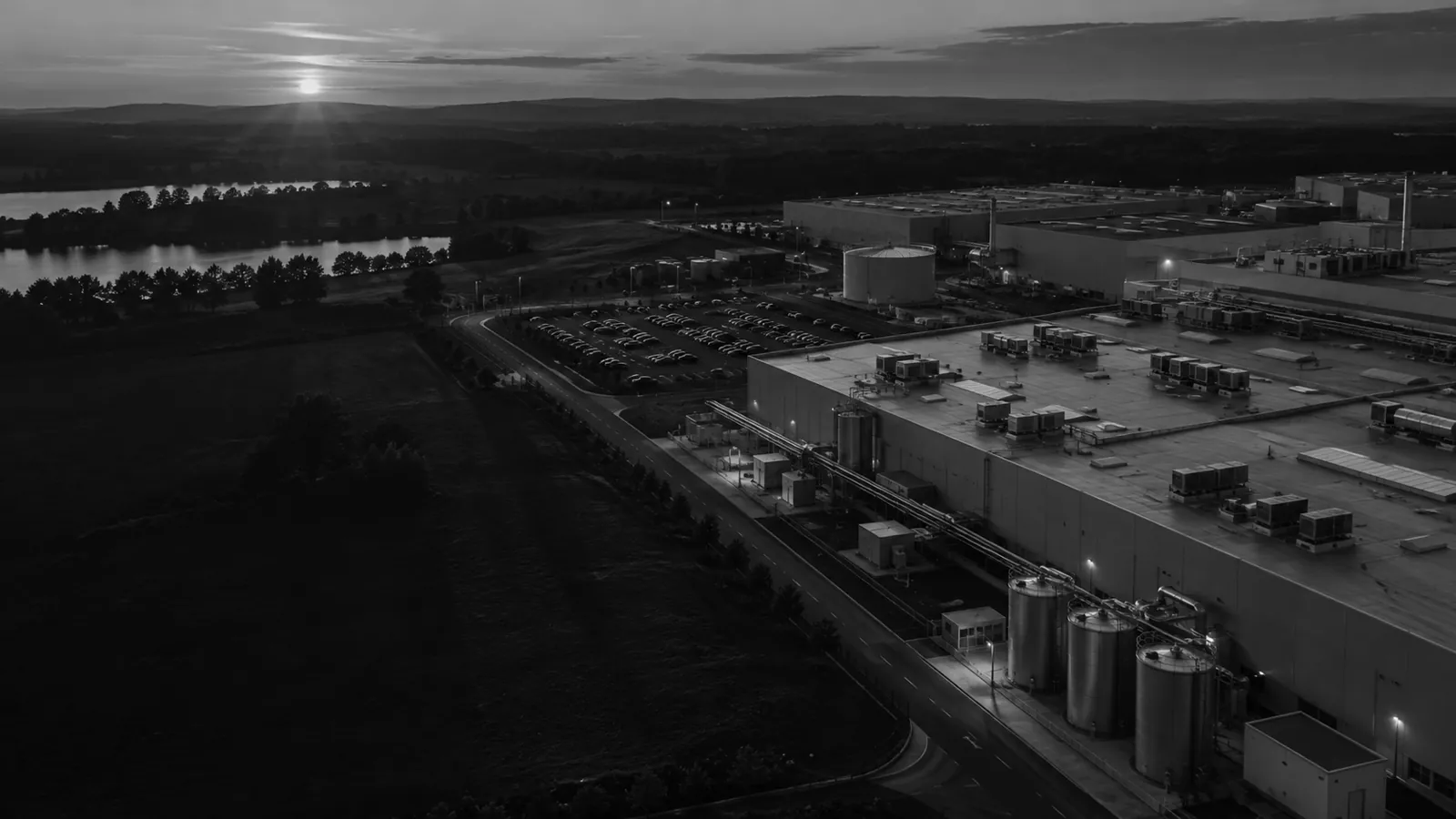
A manufacturing campus seen from the air at dusk

06 Acquisition

Manufacturing due diligence

You are buying, investing in or qualifying a site or a supplier.

What you receive

  • What the site can demonstrably do
  • Its capacity and condition, evidenced from a site walk
  • The constraints, and what is still unverified
  • Delivered inside the deal timeline

Your deal team keeps the decision.

07 Physical AI

Physical AI and autonomous manufacturing

You are bringing robot fleets or other autonomous systems into a running plant and need to know the site is ready before deployment.

What you receive

  • Routes, cells and clearances checked against the site as built
  • Floor, door, utility and network constraints along each route
  • The cleanroom zones and material flows the robots will cross
  • A simulation-ready model of the site, verified against the plant, for your integrator to train and validate the robots on before deployment

Your integrator keeps the robots and their safety case.

Other studies.

Tech-transfer feasibility

We check the receiving site's fit, utilities, room class, equipment and evidence gaps, and give a readiness date with its confidence.

Evidence-gap study

We list the unknowns that decide the project, what each would change and what it costs to close.

Scenario exploration

We compare layouts, shutdown sequences and phasing on one baseline and write the predictions down before the work starts.

Drift monitoring

We re-observe a modelled site on a schedule, so the next study starts from a current record.

Decommissioning and relocation

We map what is connected, what is shared and the order in which equipment can come out.

Site package for the equipment supplier

With your permission, the supplier lays out its equipment on the site model and saves a site visit.

Supply chain.

We connect your planning data to the lines, utilities, downtime and physical constraints behind it, and show what each site has demonstrated it can make. The studies run on the same site model as our engineering work.

  1. 01

    Operational baseline

    The validated operating state the other studies depend on, built from your own exports, with a weekly or monthly record of what changed.

  2. 02

    Capacity truth-check

    We separate nameplate, planned and demonstrated capacity and name the physical constraint that binds, whether that is changeover footprint, utility headroom, space, access or a shutdown.

  3. 03

    Downtime and disruption

    What a stoppage, an outage or a shutdown does to throughput, and the physical options for reducing the loss. We write the predictions down before the event.

  4. 04

    Expansion and debottlenecking

    We check growth scenarios against space, utilities, access and shutdown needs. It works like a feasibility study, aimed at a capacity question.

  5. 05

    Network and transfer evidence

    Demonstrated capacity and receiving-site constraints for your network model. It needs two or more modelled sites.

  6. 06

    Consolidation and site selection

    Which sites can take on the capability, capacity and transfer you need, with evidence for their condition and the transfer cost. Your network or deal team keeps the decision.

Getting started.

There are two ways to start. Either way, the first job becomes the first part of your site's model.

A site with a capex project in its front end

The project baseline.

We attach SyntaGraph™ to the project, capture and reconcile the site, and issue a verified existing-conditions baseline with its discrepancy register. Your designers and bidders work from your own evidence, and we check the handover against the same baseline later.

Build the baseline

One difficult engineering question

One fixed-scope study.

You bring one question, such as whether this equipment fits here or whether the change fits inside the shutdown. Our engineer walks the bay and checks footprint, clearance, access and utilities against what is installed, and the verdict records every place where the drawing disagrees with the bay. The proposal fixes the scope, price and turnaround.

Start a study

Accountability.

Our AI extracts the evidence, reconciles the records, prepares the analysis cases and drafts the work. Where the work needs professional judgment or statutory accountability, a qualified engineer is responsible for the decision and the approval.

Facility physics.

A new line can change the airflow, thermal load and utility headroom in the rooms around it. SyntaGraph™ builds the analysis case from the same evidence as the study, and we route it to a suitable calculation or simulation method. After the change, we measure what happened.

Process physics, what the product does inside the machine, stays with your process engineer.

01

Screened

A calculator with a declared method and validity range, or a learned model inside the domain it was validated on, with the uncertainty shown. A learned-model result is labelled predicted until a solver has verified it.

02

Verified

A named deterministic solver on a named case, with residual checks.

03

Measured

Read on the installed plant after the change and compared with the prediction.

04

Signed

Reviewed and approved by the engineer of record where professional accountability requires it.

We add capabilities one domain at a time, and each proposal states which methods are available for that study.

The project record.

Each study leaves a record of the site. The next study starts from it and re-verifies what has changed.

  1. 01

    The verdict

    The answer with its evidence and open conditions. Each finding is marked Verified where the evidence supports it, or Not Demonstrated where the evidence runs out, with the observation that would close the gap.

  2. 02

    The discrepancy register

    Every place where the drawings, records, scans and the site walk disagree, with the evidence for each.

  3. 03

    The site model

    The verified plant on SyntaGraph™, kept between projects. It exports in an open format.

  4. 04

    The re-observation

    After the change we come back and record what happened against what was predicted. The visit is priced into every proposal.

Questions.

How is a study priced?

We price each study by its deliverable, and the proposal fixes the scope, price and turnaround. A repeat study on a site we have already modelled starts from what is already verified, and we scope it from there.

How does VN work alongside the EPCM?

Before award, we give you your own evidence of the site, and the EPCM designs and bids against that baseline. After handover, our as-built verification checks the project's records against the installed plant before you accept it.

What happens to our data?

Your data trains nothing without a permission you negotiated. We write the sources, rights and any reuse into the study. You keep your systems of record, and the site model exports in an open format.

What if the evidence is not there?

The verdict says so. It names the gap, why it matters and what would close it. That is still a result of the study, and we price it as one.

Start a study.

Send us the site, the project stage and the decision in front of you. We will come back with the deliverable, its scope and the evidence it needs.

Privacy choices

Change these settings at any time from the legal links.